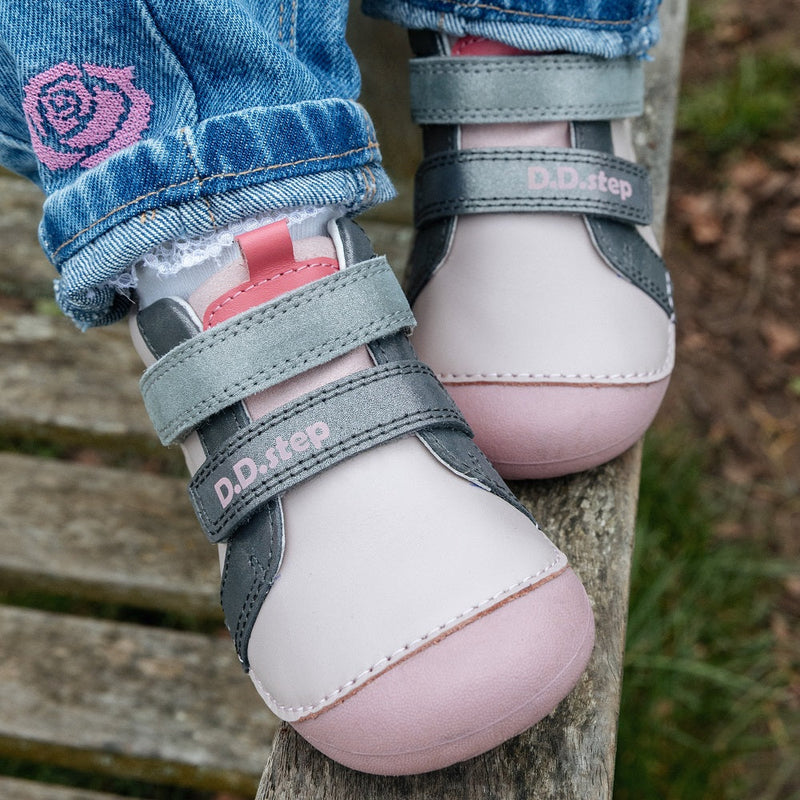
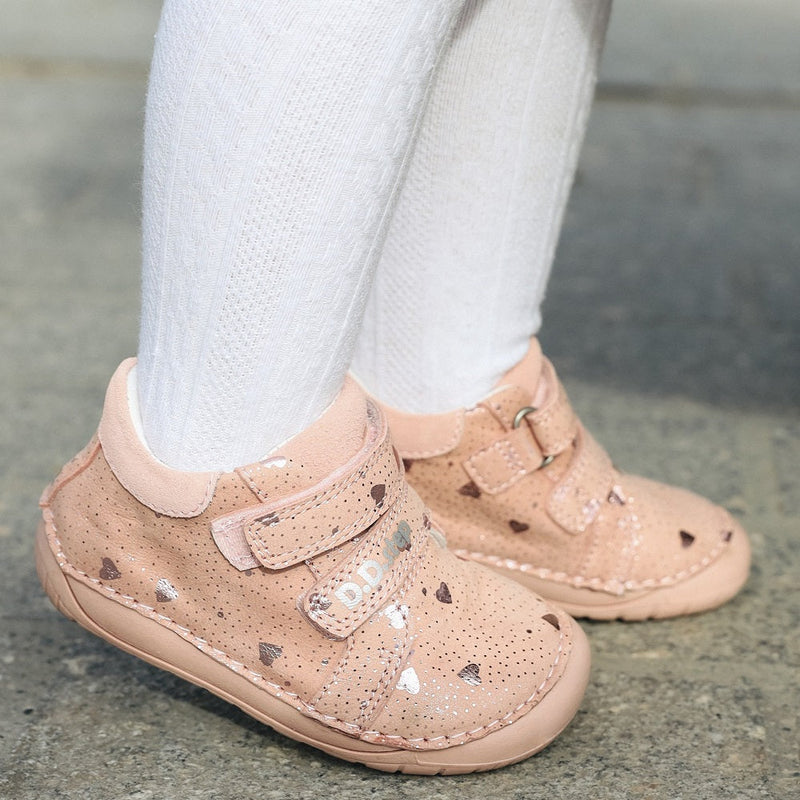
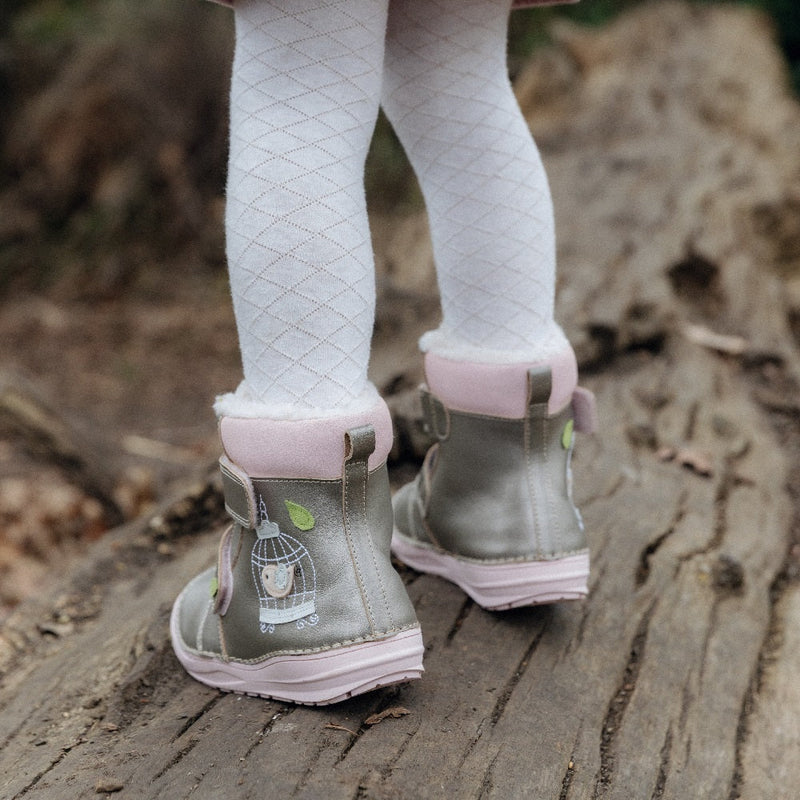
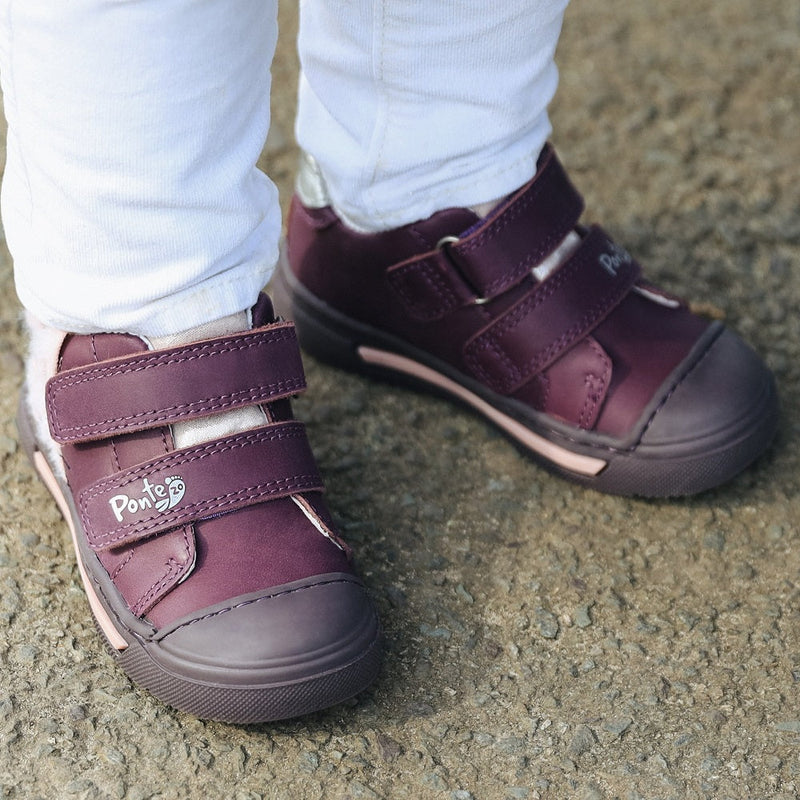
At Happy Tiny Steps, we believe every step is a special milestone. Our thoughtfully curated collection of children’s footwear combines comfort, flexibility, and timeless design to support growing feet through every stage of their journey.
Growing feet need comfort, flexibility, and gentle support. At Happy Tiny Steps, we carefully select footwear designed to help little explorers move naturally while enjoying every adventure.
From first walks to everyday play, our shoes are made to bring confidence, comfort, and happiness to every tiny journey.
These sandals have been a lovely addition for Judith. From the first wear she seemed really comfortable in them and something I particularly noticed was that she wasn’t tiptoeing as much as she sometimes does in other shoes.
She happily ran around and played without complaining about her feet, which is always a great sign. The adjustable front strap makes it easy to get a comfortable fit without the sandals feeling too tight, while also making them simple to put on and take off.
They’re beautifully designed, comfortable and practical with a lovely soft feel that makes them ideal for everyday adventures.
Read full review
Hide full review
Paige
We’ve been extremely happy with everything from Happy Tiny Steps! Their customer service is fantastic, shipping is always incredibly fast, and the quality of their barefoot shoes is outstanding. The shoes are beautifully made, comfortable, and perfect for little feet. We highly recommend Happy Tiny Steps to anyone looking for high-quality children’s footwear. Thank you for such an amazing experience!
Read full review
Hide full review
Natalia Tokarz
We’ve been loving our D.D. Step sandals for our summer adventures! My daughter has worn them for climbing, running around the park and plenty of water play, and they’ve kept up brilliantly.
They’re lightweight, flexible and comfortable, with a great non-slip sole that gives me peace of mind when she’s playing on wet surfaces. The quick-drying material is a real bonus for water play, and I love the reinforced toe protection too.
The Velcro fastening makes them easy for her to put on and take off herself. Overall, a really practical, comfy sandal for active little feet!
Read full review
Hide full review
Rebecca Selmes
Posted on
The Best Barefoot Shoes in 2026: Expert Reviews & Top Picks for Every Need
Are you curious about adopting the barefoot revolution but unsure where to start? Choosing the best barefoot shoe can transform how you move, strengthening your feet and improving posture with every step. This comprehensive guide will walk you through everything you need to know—from key features and health benefits to top models for running, casual wear, and training, plus budget-friendly options and winter boots. Whether you're a barefoot novice or looking to upgrade your footwear, you'll find expert reviews and recommendations tailored to your needs in the UK climate.
What Are Barefoot Shoes? Key Features Explained
Barefoot shoes are designed to mimic the experience of walking or running barefoot while offering essential protection. Unlike traditional minimalist shoes, which may reduce cushioning but still have some heel lift, and zero-drop shoes that simply have no heel-to-toe drop but lack other barefoot elements, barefoot shoes emphasise a natural foot-shaped design and pronounced flexibility.
Key features include a minimal stack height that keeps your foot close to the ground, zero heel-to-toe drop for an even platform, a wide toe box to allow natural toe splay, and an extremely flexible sole made often of thin natural rubber. These attributes promote natural foot movement, allowing your feet to flex, grip, and adapt to surfaces as if you were barefoot.
It's important to understand that barefoot shoes won't feel like padded running trainers. Instead, they offer enhanced ground feel and encourage your foot’s biomechanical functions. Common misunderstandings include expecting thick cushioning or substantial arch support—barefoot shoes aim to engage your foot muscles instead of cushioning them.
Benefits of Wearing Barefoot Shoes
Wearing barefoot shoes offers numerous foot health benefits. By allowing natural toe splay and movement, they strengthen the foot musculature and support healthy arches, crucial for long-term foot function. Over time, this improved foot strength can reduce susceptibility to common foot ailments.
Better posture and balance are natural outcomes as barefoot shoes enhance proprioception—the awareness of your foot’s position in space. This heightened feedback loop helps align your body and promotes natural movement patterns.
Moreover, barefoot running and walking reduce impact injuries by encouraging a forefoot or midfoot strike, which lessens the shock passed to the ankles and knees compared to heel striking in padded shoes. Because barefoot footwear allows natural foot strike mechanics, it can be beneficial across varied activities, whether casual daily wear, trail running, or cross-training.
How to Transition Safely to Barefoot Shoes
Transitioning from traditional cushioned shoes to barefoot styles requires patience. Your feet need time to acclimate to the barefoot shoe’s minimalistic support and increased ground feel. Jumping in too quickly can cause discomfort or overuse injuries.
Start by gradually increasing wear time each day, alternating barefoot shoes with your regular footwear. Consider barefoot walking at home or on soft surfaces to build foot strength and adaptability before venturing outside. Incorporate active foot exercises such as toe curls, ankle mobility drills, and arch strengthening to improve foot musculature.
Some barefoot shoes come with removable insoles, letting you adjust cushioning during your transition period. Beginners may also opt for models with a slightly higher stack height as an affordable gateway into barefoot-style footwear. Always listen to your body, back off if you experience pain, and focus on slow adaptation to bridge the gap safely.
How to Choose the Best Barefoot Shoe for Your Needs
Selecting the ideal barefoot shoe depends on your typical activities, budget, and foot shape. Consider the primary usage context—running demands thin sole shoes with excellent ground feel and traction, while casual wear prioritises comfort and style. Training shoes require stability and traction for multidirectional movement.
Foot shape matters greatly: a wide toe box is key to accommodate natural toe splay, preventing crowding and discomfort. The stack height should align with your comfort during transition, and sole flexibility facilitates natural movement. Upper construction influences breathability, durability, and fit—soft natural leather uppers allow better airflow and conformance to foot shape.
Due to varying UK weather, barefoot boots with water repellent technology and insulation are excellent choices for cold or wet conditions. Beginner-friendly shoes usually offer slightly added cushioning and support, while advanced users may prefer flagship models with zero-drop insoles and a minimal stack height.
Best Barefoot Shoes for Running in 2026
Top Picks for Barefoot Running Shoes
When selecting the best barefoot running shoe, key criteria include a thin, minimalist sole, excellent ground feel, and traction adaptable to running surfaces like trails or pavement. Breathability and durability also play vital roles for comfort and longevity.
Top models include the Merrell Vapor Glove 6, known for its lightweight design, breathable fit, and flexible natural rubber sole providing superb ground feedback. The Xero Shoes HFS II offers enhanced traction for varied terrain with a wide toe box supporting natural toe splay, making it ideal for beginner to intermediate barefoot runners. For trail running enthusiasts, the Vivobarefoot Primus Trail Knit FG delivers excellent durability and grip with minimal stack height, perfect for rugged UK trails.
Beginners should consider terrain and distance; shorter runs on softer grounds allow safer adaptation, while experienced runners will appreciate the responsiveness of these flagship models.
Barefoot Running Foot Care and Exercises
To complement barefoot running, foot care routines should include foot strengthening exercises like toe spreads, calf raises, and arch lifts. Improving foot mobility prevents tightness and overuse injuries. Proper foot strike—aiming for a midfoot or forefoot landing—reduces impact forces and supports the foot’s natural shock absorption.
Best Barefoot Sneakers for Casual and Daily Wear
Barefoot sneakers merge the barefoot feel with everyday comfort and style. Suitable daily wear models have a breathable, soft upper and flexible sole that supports natural movement while providing casual aesthetics for urban environments.
Popular models include the Lems Primal Zen, which features a wide toe box and lightweight design that fits comfortably throughout the day. The Tolos Soleil offers versatile barefoot-style footwear with breathability and a padded heel for added casual comfort. Both options bridge the gap between barefoot shoes and conventional sneakers, offering an affordable transition.
When choosing barefoot sneakers, prioritise a balance between protection, barefoot ground feel, and style that fits your daily routine.
Best Barefoot Shoes for Training and Gym Use
Gym barefoot shoes must provide excellent stability, strong traction, and durability to handle multidirectional movements typical of lifting, CrossFit, and cross-training. The upper construction should be breathable yet supportive, including some rope climbing support for activities requiring grip and grip protection.
Standout models are the Vivobarefoot Primus Lite III, which features a thin, flat sole with zero drop for excellent ground feel combined with flexible 3D-sewn uppers for durability and reduced glue use. The Tolos Archetype 2.0 offers a responsive fit and reinforced toe protection, and the Vivobarefoot Motus Strength focuses on stability with a slightly firmer sole, ideal for heavy lifting.
These shoes provide versatility to move seamlessly from weightlifting to dynamic training sessions while supporting natural foot movement.
Budget-Friendly Barefoot Shoes: Best Options Under $100
Finding budget barefoot shoe options doesn't mean compromising essential barefoot values like flexibility and a wide toe box. While these models may have modest durability or cushioning, they are perfect starter options for those on a tight budget curious about barefoot shoes.
Top affordable models include the Whitin Minimalist, which offers a comfortable wide toe box and breathable knit uppers. The AIRHAS Knit Barefoot Shoe features a thin sole and lightweight design, suitable for walking and light training. The Hobibear sneakers combine excellent stability with an ultra-flexible sole, making them ideal for beginners looking for a versatile barefoot shoe without breaking the bank.
Look for discount code pages and shop seasonally to find these shoes at even better prices, making the barefoot revolution accessible to all.
Best Barefoot Boots for Cold Weather and Rugged Terrain
Barefoot boots differ from barefoot shoes mainly by providing waterproofing, insulation, and ankle support to withstand cold or wet conditions without sacrificing barefoot feel. These boots retain a zero-drop insole and flexible soles but add technical features like water repellent technology d.d.tex and special toe protection.
The Vivobarefoot Tracker II FG is a flagship model combining durable natural leather upper, water resistance, and flexible sole, making it perfect for outdoor hiking amid UK winters. The Lems Chelsea Waterproof is another excellent choice, blending style with lightweight insulation and excellent grip.
While boots might slightly compromise flexibility compared to shoes, proper sizing—especially for wide feet—and breaks-in periods ensure natural foot movement despite warmer, cushioned protection.
Specialized Barefoot Footwear: Barefoot Clogs and Toe-Style Shoes
New trends in barefoot footwear include barefoot clogs and toe-style shoes that cater to specific user needs. Barefoot clogs such as the Barebound are ideal for indoor or casual contexts where easy on-and-off design and breathable fit are priorities, also bridging barefoot and casual lifestyle wear.
Toe-style barefoot shoes like the Vibram V-Trail 2.0 prioritise maximal natural toe splay and dexterity by isolating each toe in separate compartments. This design helps improve foot musculature and sensory feedback, benefiting runners and individuals focusing on foot strengthening exercises.
These specialized designs suit users looking for advanced barefoot values or niche footwear needs that support even more natural movement.
Frequently Asked Questions About Barefoot Shoes
What makes barefoot shoes better than traditional minimalist or zero-drop shoes? Barefoot shoes combine zero-drop soles with a wide toe box and ultra-flexible, thin soles that better mimic natural foot movement. Minimalist or zero-drop shoes might lack one or more of these features, offering less freedom for toe splay and foot musculature engagement.
Are barefoot shoes better than Vans for casual use? Yes. Though Vans are popular for style, barefoot shoes provide a superior barefoot feel with wider toe boxes, zero-drop soles, and flexible designs that improve foot health and posture, unlike typically padded and narrow Vans footwear.
How long does it take to transition to barefoot shoes? Transition times vary but usually range from 4 to 8 weeks. Gradual wear, foot exercises, and mindful listening to your body's feedback can ease the process and prevent injuries.
Can barefoot shoes prevent or help with foot pain or impact injuries? Yes. By promoting natural foot strike patterns, better weight distribution, and stronger foot musculature, barefoot shoes can reduce impact injuries and alleviate some types of foot pain with consistent use.
How do I measure for a good fit in barefoot shoes? Measure your feet while standing to capture full toe splay and choose shoes with room in the toe box without excess sliding. Ensure zero heel-to-toe drop and a snug but non-restrictive upper fit, accounting for possible foot expansion during movement.
Summary: Finding Your Perfect Barefoot Shoe in 2026
Embracing barefoot footwear can enhance your foot health, posture, and overall natural movement. The key is selecting shoes aligned with your specific activities, from running to casual daily wear and training, while considering climate and budget. Experimenting with different stack heights and toe box widths helps find the most comfortable fit for your feet.
Remember, safe transition practices combined with regular foot strengthening exercises will let you fully enjoy the barefoot shoe world. Use this guide to confidently pick your best barefoot shoe in 2026 and step into a more natural, comfortable way of moving.
Flat feet are common in toddlers — but do they need special shoes? This UK parent guide explains when to be concerned and how to choose the right footwear for healthy development.
Finding the perfect pair to buy kids shoes online can feel overwhelming with so many styles, sizes, and brands to choose from. However, shopping at trusted online storefronts is a smart solution that offers convenience and variety. This guide will help you navigate sizing, style choices, and top brands to ensure your child’s growing feet get the comfort and support they deserve throughout 2026 and beyond.
Why Buying Kids Shoes Online Is Convenient and Smart
Buying kids shoes online offers a wider selection than most physical stores, allowing you to easily compare prices and styles from home. It’s convenient to shop anytime and choose flexible delivery options, including free shipping or buy online and pickup in-store. Online shopping makes it easier to keep up with your child’s growing feet and changing seasonal needs without multiple store trips.
Understanding Kids' Shoe Sizes: Infant to Big Kid Sizes Explained
Accurate sizing is crucial for children’s comfort and healthy foot development. To find the right fit, measure your child’s feet at home using a ruler or measuring tape—measure from heel to longest toe. Use the retailer’s size chart to interpret infant, toddler, little kid, and big kid sizes. Infants usually range from size 0 to 4, toddlers from 4 to 10, little kids 10 to 3, and big kids 3 to 7. Printable shoe size charts and brand-specific fitting notes help guide choices for growing feet and wide or narrow foot shapes.
Top Kids Shoe Styles to Consider When You Buy Kids Shoes
Popular kids shoe styles include athletic sneakers, sandals, boots, dress shoes, and casual shoes built for everyday wear. Athletic shoes for kids provide support during sports and active lifestyles with features like cushioned footbeds and flexible soles. Playtime shoes often have durable, non-marking rubber soles ideal for playgrounds, while school shoes balance durability and style. Easy-to-wear closures such as Velcro and slip-ons simplify dressing. Trendy picks like light-up sneakers and jelly shoes add fun flair to kids’ wardrobes.
Choosing Durable and Comfortable Shoes for Active Kids
Durable quality and comfort are key to keeping up with active children’s daily adventures. Look for shoes with breathable materials, flexible soles for natural movement, and cushioned insoles that evenly distribute body weight. Special toe protection and sturdy outsoles extend wear during athletic activities. A properly fitted shoe should feel snug but not tight, with no pinching or slipping. Replace shoes if you notice excessive wear or a decline in comfort.
Best Brands to Buy Kids Shoes From Online in 2026
Leading brands include Nike, Adidas, New Balance, Puma, Converse, and Skechers, each known for durability, innovative tech features, and style variety. Nike and Adidas excel at supportive kids' running shoes and basketball shoes, while New Balance offers cushioned and flexible options suited for growing feet. Converse infant shoes and kids' classic shoes bring timeless style. Utilize curated collections on retailer websites to quickly find brand-name kids shoes, new arrivals, and best sellers.
How to Shop Kids Shoes Online: Step-by-Step Guide
Begin by listing your child’s shoe size, style preference, and usage occasion—school, sports, or casual wear. Navigate retailer websites using filters for age group, gender, shoe type, and preferred brands. Read customer reviews and check product details for fit, comfort, and material insights. Take advantage of free shipping offers, hassle-free easy returns, and options like buy online and pickup in-store. Regularly measure your child’s feet and consult the retailer’s kids shoe size chart to ensure the perfect fit before purchasing.
Popular Kids Shoes for Boys and Girls: What’s Trending?
Currently trending kids shoes include boys’ sneakers with cool colors and supportive basketball styles, as well as girls’ sandals featuring comfortable cushioned footbeds and fun accessories. Gender-neutral options such as kids crocs and jelly shoes provide versatile year-round options. Light-up sneakers remain popular for their playful appeal, blending style and function, while sporty shoes like kids’ Nike shoes continue to dominate both casual and athletic categories.
Buying Kids Shoes for Special Needs and Growing Feet
Shoes designed for children with sensory sensitivities focus on flexibility, extra cushioning, and easy closures, supporting comfort and ease of wear. Some brands and collections actively support autism outreach and community support initiatives, providing options that cater to specific foot development and sensory needs. This thoughtful approach ensures all children get footwear that fits well and feels good.
How Often Should You Replace Kids Shoes?
Because kids' feet grow quickly, new shoes may be needed every few months up to twice a year. Signs it’s time to replace shoes include visible wear, discomfort, tightness, or shoes feeling too small. Regularly checking fit is essential to protect your child’s developing feet and maintain comfortable support for sports, school days, and everyday adventures.
Eco-friendly and Charitable Shoe Buying Options
Some brands and retailers partner with programs that donate shoes to children in need or support autism outreach. Many also accept used shoes for recycling or donation, encouraging eco-friendly purchasing decisions. Choosing shoes from these brands helps contribute to community support and sustainability efforts while ensuring your child wears quality footwear.
Tips for Easy Returns and Exchanges When Buying Kids Shoes Online
Because sizing can vary, prioritize shopping from retailers offering easy return policies, including generous return windows and clear condition guidelines. It’s smart to order multiple sizes if uncertain, then return extras hassle-free. Familiarize yourself with each retailer’s return process upfront to avoid surprises and shop confidently knowing exchanges are simple.
Summary: Making the Right Choice When You Buy Kids Shoes Online
When you buy kids shoes online, focus on accurate sizing, comfortable and durable design, style preferences, and trusted brands. Use retailer guides, size charts, and easy return policies to take the guesswork out of shopping. Exploring curated selections and new arrivals ensures you find shoes that support your child’s active lifestyle all year round with confidence and convenience.
When parents shop for kids shoes, style and price often come first. However, comfort should always be the top priority. Children spend hours each day on their feet — at school, in the playground, at home, and during activities — so the shoes they wear directly affect their health, posture, and confidence. Choosing comfortable footwear isn’t just a practical decision; it’s an essential investment in your child’s development.
This guide explains why comfort matters, how to choose the best footwear for growing feet, and what to look for when buying everything from first baby shoes to supportive kids trainers and flexible barefoot shoes.
Why Comfortable Kids Shoes Are Essential
Children’s feet are still developing, making them far more sensitive than adult feet. Poorly fitting shoes can cause discomfort, blisters, and even affect how bones and muscles grow. Comfortable kids shoes support natural movement, allowing children to run, jump, and play without restriction.
Key benefits of comfortable footwear include:
Healthy foot development
Better balance and coordination
Reduced risk of trips and falls
Improved posture
Greater confidence during physical activities
When children feel comfortable, they are more likely to stay active — something vital for both physical and mental wellbeing.
Growing Feet Need Proper Support
A child’s foot contains soft cartilage that gradually turns into bone as they grow. Shoes that are too tight, too stiff, or poorly shaped can interfere with this process. That’s why supportive, well-fitting footwear is crucial from the earliest stages.
When choosing baby shoes or shoes for toddlers, look for:
Soft, flexible soles
Lightweight materials
A wide toe area for natural movement
Secure fastenings to prevent slipping
For older children, kids trainers with cushioned soles and breathable fabrics help absorb impact during sports and playground activities.
The Importance of First Baby Shoes
Before babies begin walking outdoors, they usually only need socks or soft baby shoes for warmth. Once they start taking their first steps, protective footwear becomes essential.
The best first shoes should:
Allow natural movement
Provide gentle support
Be lightweight and flexible
Fit snugly without squeezing
Avoid buying shoes that are too large in the hope they will last longer. Oversized footwear can cause trips and discomfort, making it harder for little ones to walk confidently.
Kids Trainers for Everyday Adventures
Active children need footwear that can keep up with their energy levels. Well-designed kids trainers provide cushioning, grip, and durability for running, climbing, and sports.
Look for trainers that offer:
Shock-absorbing soles
Breathable uppers to keep feet cool
Flexible construction
Secure fastening (Velcro or laces depending on age)
Comfortable trainers encourage children to stay active and participate in physical play, which is essential for healthy growth.
Are Barefoot Shoes Good for Children?
Many parents are now exploring barefoot shoes as an alternative to traditional footwear. These shoes are designed to mimic walking barefoot while still protecting feet from rough surfaces.
Benefits of barefoot-style footwear may include:
Encouraging natural foot movement
Strengthening foot muscles
Improving balance and coordination
Promoting better posture
They are particularly popular for everyday wear and outdoor play, although the best choice depends on each child’s needs and preferences.
Signs Your Child’s Shoes May Not Fit Properly
Children don’t always say when something hurts, so parents should watch for signs of discomfort. Poorly fitting kids shoes can lead to long-term issues if ignored.
Common warning signs include:
Red marks or blisters
Complaints of sore feet or legs
Frequently removing shoes
Changes in walking style
Avoiding physical activity
Checking shoe fit every few months is recommended, especially during growth spurts.
Choosing the Best Kids Shoes for School
School shoes are often worn for the longest periods, making comfort even more important. Children may spend most of the day in them, so supportive design and breathable materials are essential.
The best school shoes should include:
Cushioned insoles
Flexible soles
Durable materials
Easy fastenings for independence
Investing in quality school footwear can improve concentration, as children are less distracted by discomfort.
Tips for Buying Comfortable Kids Shoes Online
Shopping for children’s footwear online can be convenient, but getting the right fit is key. When buying kids shoes, consider the following tips:
Measure your child’s feet regularly
Check size guides carefully
Read product descriptions for fit details
Choose adjustable styles when possible
Allow a small amount of growing room
A good online children’s shoe store will provide detailed sizing information and easy returns if the fit isn’t perfect.
Why Comfort Should Always Come First
From first steps in baby shoes to playground adventures in kids trainers, comfortable footwear supports every stage of childhood. The right shoes protect growing feet, encourage activity, and help children explore the world with confidence.
Whether you choose traditional styles or flexible barefoot shoes, prioritising comfort ensures your child’s feet stay healthy today and in the future.
Final Thoughts
Children rely on their feet for learning, play, and discovery. Choosing high-quality, comfortable kids shoes is one of the simplest ways to support their wellbeing every single day. By focusing on fit, flexibility, and support, parents can ensure every step their child takes is a comfortable one.